
ROYAL FAMILY
The Palace’s Changing Approach to Harry and Meghan: What’s Really Happening Behind the Scenes?

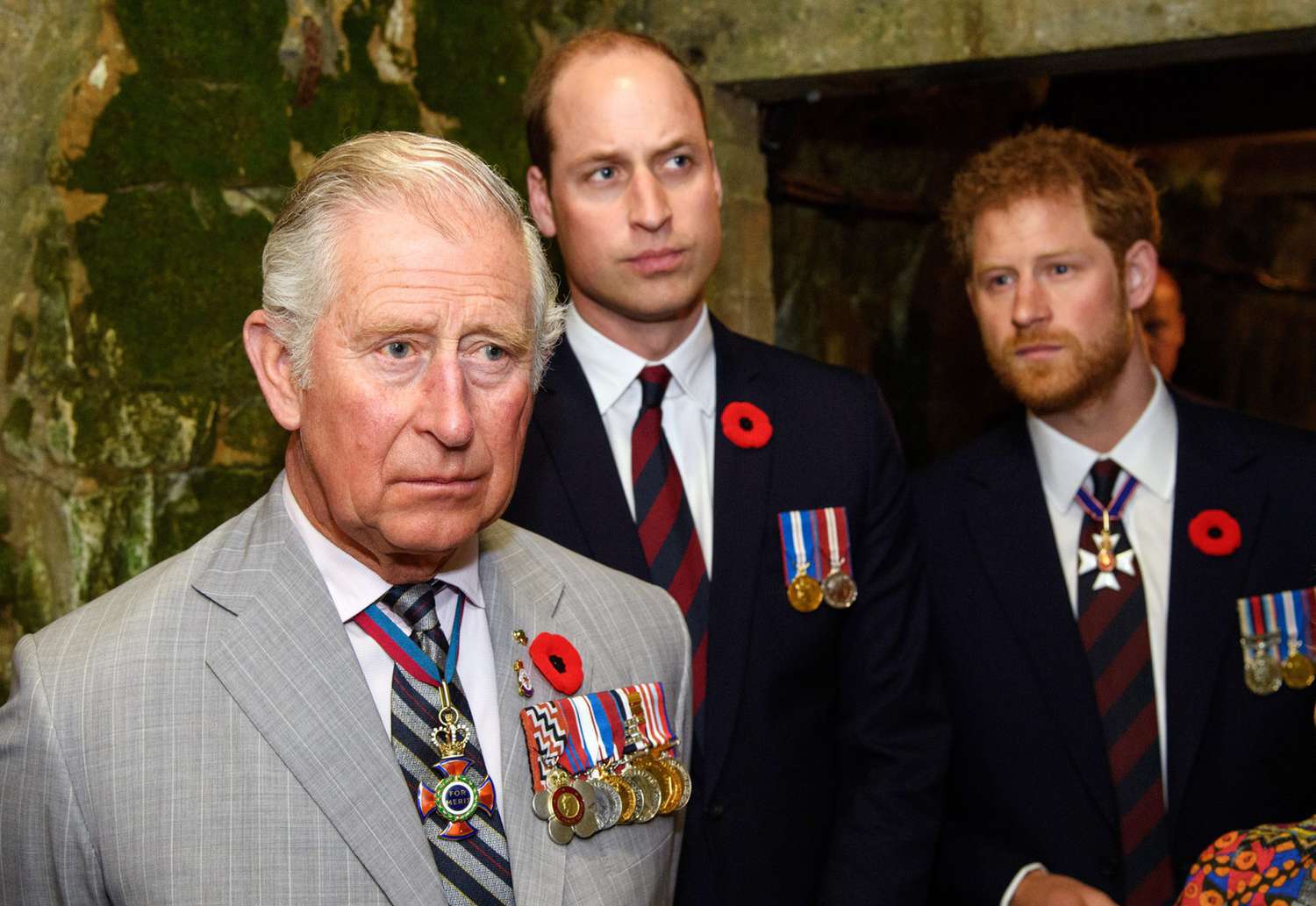
The Silent Wall: Inside the Palace’s Cold New Strategy to Completely Erase Harry and Meghan
For years, every move, tell-all interview, and public appearance by Prince Harry and Meghan Markle triggered an immediate, high-alert reaction inside palace walls. Royal communications officers scrambled, crisis summits were convened at Sandringham, and terse official statements were drafted under global media scrutiny.
Now, Buckingham Palace and Kensington Palace have abandoned the reactive playbook entirely.
In its place, courtiers have erected a calculated, impenetrable strategy: absolute, disciplined indifference.
Rather than issuing rebuttals, defending against accusations, or trading barbs through royal correspondents, the palace’s institutional machinery has deployed what insiders describe as their ultimate strategic weapon: total radio silence. By refusing to engage, acknowledge, or even subtly nod to the Sussexes’ UK presence and family controversies, the Crown is carrying out a quiet, ruthless erasure of Harry and Meghan from the royal narrative.
1. Starving the Oxygen: The ‘No Reaction’ Rule
The mechanics of the silent wall are deliberate. Royal aides have identified the core vulnerability of the Sussex media apparatus: it thrives on drama, friction, and palace pushback. When the Crown fights back, it validates the conflict and fuels fresh headlines.
When the palace remains completely silent, however, the cycle collapses.
A palace source recently revealed that courtiers decided the sharpest response is no response at all:
“The palace’s strategy is not to do anything to stop them and to give the Sussexes no reaction. Providing no response denies them the confrontation that keeps their grievances front and center.”
Whether facing unofficial charity walkabouts, tell-all reflections, or the unfolding police watchdog inquiries concerning historic Thomas Markle warnings, royal spokespeople have maintained an unyielding stance: no comment, no interference, and no institutional cover.
By designating the controversies as strictly private matters belonging to “private citizens,” the palace has built a firewall that keeps the Crown entirely untainted by the fallout.
2. The Counter-Programming Offensive
The silent wall is not passive; it is accompanied by an aggressive counter-programming blitz.
While the Sussexes battle legal headwinds and family headlines, senior working royals—led by King Charles, Queen Camilla, Prince William, and Catherine, Princess of Wales—have doubled down on energetic, high-profile public duty.
From Prince William’s unscripted broadcast appearances to Kate’s return to major youth initiatives, Kensington Palace has dominated news cycles with positive, forward-looking engagements. The contrast is intentional:
The Monarchy: Visible, duty-driven, celebratory, and aligned with national service.
The Sussexes: Embroiled in legal costs, cross-border controversies, and unresolved family grievances.
By running full-throttle with their own agenda, the Waleses demonstrate daily that the institution does not merely survive without Harry and Meghan—it thrives without them.
3. Erased from the Institutional Canvas
The psychological impact of this cold shoulder is far more potent than any legal notice or royal reprimand.
For Prince Harry, being opposed by the establishment was familiar ground—he could position himself as an independent voice fighting an unbending system. But being treated as fundamentally irrelevant is a reality the Sussex brand is ill-equipped to counter.
With King Charles standing firm on the boundary between paternal affection and official state representation, and Prince William refusing to even acknowledge his brother’s presence on British soil, the message from the House of Windsor is unmistakable: the monarchy has turned the page, and it has no intention of looking back.

🚨 SELENA GOMEZ, 34, SPOTTED WITH A 71-YEAR-OLD MAN AFTER SHOCKING RUMORS ABOUT BENNY BLANCO! 😱❤️ Is this a new romance or the biggest plot twist yet? The internet is going wild! 👀👇 CLICK TO SEE THE PHOTOS AND FIND OUT WHAT REALLY HAPPENED!

BREAKING NEWS!!! US official confirms Harry & Meghan’s son Archie was born via surrogate in Colorado, USA. Meghan Markle FAKED pregnancy.😱😱😱

The Palace’s Changing Approach to Harry and Meghan: What’s Really Happening Behind the Scenes?

Behind Palace Doors: The Memo That Dragged William and Kate Into the Meghan Markle Scandal

700 Years of Royal History at Risk? Prince William’s Duchy Faces Growing Scrutiny

“Imagine waking up to find your wife’s name splashed across headlines — right next to Prince Andrew’s” That’s exactly the nightmare Prince Harry is said to be living this week, after Sarah Ferguson’s shocking “Yacht Days” revelations about Meghan Markle sent shockwaves through the royal family. The Palace is reportedly in crisis mode, with whispers of “cover-ups,” “revenge,” and “royal damage control.”… (For Full Information, Check Link In Comment👇🏻👇🏻)

Taylor Swift Casts Her Vote in the 2026 US Midterm Elections and Urges Americans to Head to the Polls, Calling on Voters Across the Country to Make Their Voices Heard…..see ⬇️

HUGE: Mike Johnson is stepping aside as House Republican leader, and Jim Jordan has officially launched his bid to become the next House Minority Leader!

30 Minutes Ago! Meghan Markle ‘Turns Pale’ as Camilla Reveals Harry and Archie’s Paternity Test: ‘I Already Know Who His Father Is…’”. (For Full Information, Check Link In Comment👇🏻👇🏻)

🚨 BREAKING: Harry Kane signs record-breaking new Bayern Munich contract. 33yo striker extends from next summer to June 2029 on most lucrative deal in #FCBayern history. Believed to make England captain Europe’s highest-paid player by salary @TheAthleticFC

Jen Affleck Files for Divorce from Husband Zac Just 4 Months After Announcing Pregnancy
