
NFL
SHOCKING: “MY DAUGHTER HAS GIVEN THE BRITISH ROYAL FAMILY TWO WONDERFUL GRANDCHILDREN — SHE DESERVES THE VERY BEST TREATMENT!” Meghan Markle’s mother, Doria Ragland, has reportedly sent shockwaves through the media by issuing a bold “ultimatum” directly to King Charles III. Doria is demanding that the King immediately restore Meghan’s title of Duchess and her royal privileges, asserting that her daughter’s contribution to the royal lineage is “undeniable.” “Meghan has made sacrifices…”… (For Full Information, Check Link In Comment👇🏻👇🏻)

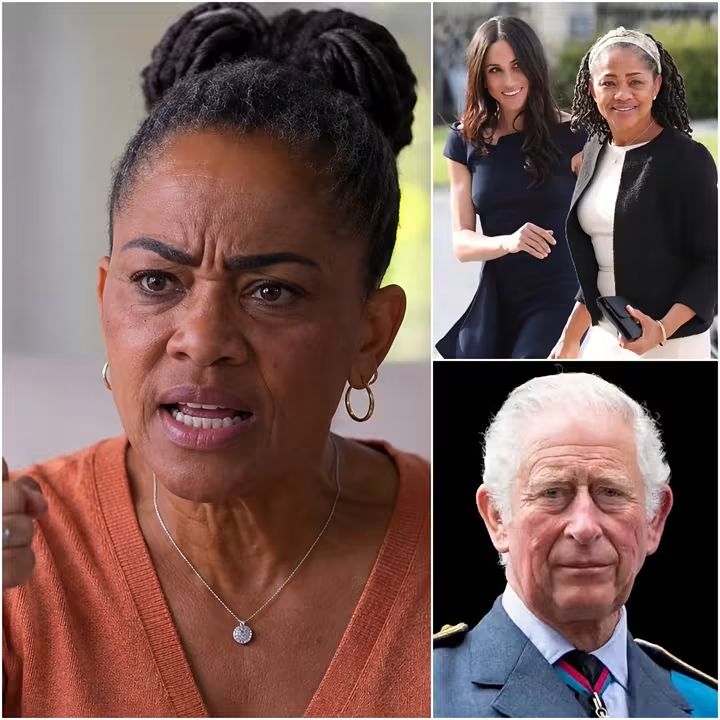
DORIA RAGLAND BREAKS HER SILENCE! Meghan’s Mother Makes a Bold Demand to King Charles as Royal Family Faces Fresh Pressure
A fresh royal storm is unfolding in this fictional palace drama, and this time, the spotlight has shifted from Meghan Markle to the woman who has stood beside her throughout some of the most difficult chapters of her life: her mother, Doria Ragland.
The imagined controversy begins with a powerful declaration that immediately puts the question of Meghan’s position within the royal family back into the spotlight.
“My daughter has given the British royal family two wonderful grandchildren. She deserves the very best treatment!”
Those words form the centre of an emotional confrontation that could change the atmosphere between the Sussexes and the House of Windsor. In this fictional account, Doria is no longer willing to remain quietly in the background while questions about her daughter’s royal identity, treatment and relationship with the monarchy continue to dominate public discussion.
For years, Meghan’s departure from senior royal duties has remained one of the most talked-about developments in modern royal history. Alongside Prince Harry, she stepped away from her former responsibilities in 2020 and eventually established a new life in the United States with their children, Prince Archie and Princess Lilibet.
But the emotional questions surrounding that decision have never completely disappeared.
Doria’s imagined message to King Charles
In this dramatic fictional storyline, Doria believes that Meghan’s contribution to the royal family should not be overlooked simply because she and Harry chose a different path.
Her argument is straightforward: Meghan entered the royal family, embraced its responsibilities and became a mother to two children who remain part of the royal line of succession.
According to the fictional account, Doria wants King Charles to recognise the sacrifices her daughter made and reconsider how the Sussex family is treated.
“Meghan has made sacrifices that people will never fully understand. She deserves respect, dignity and recognition for everything she has been through,” the imagined statement reads.
The demand is presented as a mother’s emotional appeal rather than an official political or constitutional request.
However, the suggestion that Meghan’s former royal position should somehow be restored raises a much bigger question: what exactly would such a restoration mean?
Meghan remains known publicly as the Duchess of Sussex, a title she holds through her marriage to Prince Harry. However, she and Harry no longer undertake official duties as working members of the royal family.
Restoring working royal privileges would therefore involve considerably more than simply changing a title.
Why Archie and Lilibet remain central to the debate
At the heart of this fictional controversy are Meghan and Harry’s two children.
Prince Archie and Princess Lilibet represent an important connection between the Sussex family and the wider House of Windsor. Their royal identities have frequently attracted public attention, particularly as they grow up outside the United Kingdom.
Doria’s imagined argument places their future at the centre of the discussion.
She believes that the children should be able to understand their family history without becoming caught in disagreements between adults.
For a grandmother, the issue is portrayed as deeply personal. She wants her grandchildren to enjoy a relationship with both sides of their family, without feeling that distance, disagreements or public criticism have permanently separated them.
The fictional storyline suggests that Doria’s greatest concern is not necessarily royal ceremony or palace recognition. Instead, she wants her daughter and grandchildren to receive the respect she believes they deserve.
King Charles faces an uncomfortable question
For King Charles, the imagined demand creates a difficult situation.
The monarch must balance family relationships with the responsibilities attached to his position. Royal titles, official duties, public funding and institutional privileges are separate matters, and they cannot simply be treated as one package.
Even if the King wished to improve relations with Harry and Meghan, that would not automatically mean restoring their former working royal responsibilities.
The fictional palace atmosphere becomes increasingly tense as advisers are imagined discussing how any response might be interpreted.
Would an attempt at reconciliation be welcomed by the public? Would it create fresh disagreements within the family? And could it open the door to expectations that other members of the royal household might also seek changes to their positions?
These are the questions that make the imagined situation particularly complicated.
Meghan’s position remains a deeply personal matter
For Meghan, the issue goes beyond a title.
Her experience as a member of the royal family has been discussed extensively in interviews, documentaries and public statements. She and Harry have spoken about the pressures they experienced and their decision to build a different life.
Supporters believe Meghan should be able to maintain her identity without having to return to royal duties. Critics, meanwhile, continue to debate the couple’s relationship with the monarchy.
In this fictional account, Doria’s intervention represents a mother’s determination to defend her daughter against what she sees as unfair treatment.
But there is another possibility worth considering: Meghan may not want to return to the exact position she once occupied.
After establishing a home, family life and professional projects in California, would she really want to exchange that independence for the demands of royal life again?
That question remains at the centre of the imagined family disagreement.
Could Prince Harry become caught in the middle?
Prince Harry would naturally have a significant role in any discussion involving his wife, children and father.
His relationship with King Charles has experienced public difficulties, although the possibility of reconciliation has continued to attract attention.
A mother-in-law’s involvement could make an already delicate family situation more complicated.
Harry may want his children to maintain a connection with their British relatives while also protecting the independent lifestyle he and Meghan have created.
In this fictional scenario, he finds himself facing an uncomfortable choice: how can he encourage family reconciliation without allowing disagreements about titles and royal privileges to overshadow the relationships that matter most?
The imagined answer may not be simple.
Perhaps the first step would be a private conversation between father and son, away from cameras, headlines and public expectations.
What happens next?
The fictional story ends with one important question hanging over Buckingham Palace: can a family find peace when everyone has a different understanding of what reconciliation should look like?
Doria’s imagined demand may sound like a challenge to the monarchy, but beneath the dramatic language is a familiar family concern.
A mother wants her daughter to be respected. A grandmother wants her grandchildren to feel connected to their heritage. A father may want a relationship with his son. And a monarch must navigate the complicated responsibilities of family and institution.
Whether Meghan would ever want to return to official royal life is another matter entirely.
One thing is certain within this fictional royal drama: the debate over the Sussexes’ place in the royal family is far from finished.
And perhaps the biggest question is not whether King Charles can restore Meghan’s former privileges, but whether the family can finally find a way to move forward without allowing the past to define every conversation.
What do you think? Should King Charles make greater efforts to rebuild his relationship with Meghan, Harry, Archie and Lilibet, or should the Sussexes continue enjoying their independent life in America?

👑🚨😱 ROYAL JEALOUSY BOMBSHELL! PRINCE HARRY WAS SPOTTED GETTING CLOSE TO A MYSTERY WOMAN — THEN MEGHAN WALKED IN! WHAT SHE DID NEXT LEFT THEM BOTH SPEECHLESS…👇👇 SEE HERE: 👇👇

🚨 10 MINUTES AGO: “WE ARE DEEPLY SADDENED TO HAVE TO ANNOUNCE THIS…” — A Good Morning Britain presenter became visibly choked with emotion while reading a special announcement concerning the British Royal Family. King Charles III could not hold back his tears, and Harry immediately returned to the palace. Yet, what has left everyone truly stunned is a letter believed to be connected to Louis, Prince of Wales… “It’s just heartbreaking… Louis has…”

🚨👑 “YOU CANNOT WALK BACK IN HERE AND PRETEND NOTHING HAPPENED!” — Prince William reportedly blocks a secret proposal that could have brought Harry back into the royal fold! While several senior advisers argued that a temporary return could help improve the monarchy’s public image, William laid down one strict condition that immediately left Harry facing a difficult decision… Find out in the comments… 👇👇

🚨🚨JUST 8 MINUTES AGO! King Charles III delivers HEARTBREAKING news that sends shockwaves through the Royal Family and plunges the Palace into chaos and tears: “Prince Harry has…..

Meghan Markle CLASHES With a Fan at London’s Winter Wonderland After Catching Her Photographing Princess Lilibet, But What the Fan’s Camera Captured Meghan Saying Has Finally Addressed Years of Speculation About Archie and Lilibet!

🚨😱 BREAKING ROYAL BOMBSHELL! Prince Harry and Meghan Markle Face EXPLOSIVE QUESTIONS After Their Winter Wonderland Family Outing Sparks a Viral Debate Over the Children Seen With Them! But Just When Everyone Thought the Controversy Was Over, NEW PHOTOS CLAIMING TO SHOW Archie and Lilibet Have Started Circulating Online! The Images Have Left Royal Fans STUNNED, With Everyone Asking What Is Really Going On! THE REAL CHILDREN’S PHOTOS HAVE NOW SURFACED ON THE INTERNET JUST MINUTES AGO… SEE MORE OF THE PHOTOS HERE….

SO DISGUSTING she’s 57 and still has men losing their minds. jennifer lopez spotted getting intimate with a mystery man on a luxury yacht in miami. 👀
🚨😱 BREAKING ROYAL BOMBSHELL! Prince Harry and Meghan Markle Face EXPLOSIVE QUESTIONS After Their Winter Wonderland Family Outing Sparks a Viral Debate Over the Children Seen With Them! But Just When Everyone Thought the Controversy Was Over, NEW PHOTOS CLAIMING TO SHOW Archie and Lilibet Have Started Circulating Online! The Images Have Left Royal Fans STUNNED, With Everyone Asking What Is Really Going On! THE REAL CHILDREN’S PHOTOS HAVE NOW SURFACED ON THE INTERNET JUST MINUTES AGO… SEE MORE OF THE PHOTOS HERE….

🚨👑 “WE HAVE WAITED FOR THIS MOMENT FOR SO MANY YEARS… AND FINALLY, THE MIRACLE HAS ARRIVED!” — PRINCE WILLIAM AND PRINCESS KATE MOVE BRITISH ROYAL FANS WITH SOME VERY SPECIAL GOOD NEWS. But what makes everyone most curious is the reaction of their three children, George, Charlotte and Louis, when they discover the secret their parents have kept hidden for so long

Before Prince Harry, Meghan Markle had another husband – and their wedding was very different from the royal celebration that would come years later Back in September 2011, Meghan married Hollywood producer Trevor Engelson in a four-day beach wedding in Jamaica. But their marriage lasted less than two years before they went their separate ways. Today, Trevor has built a new life away from the royal spotlight, remarried and become a father. And people close to him have shared some interesting details about how he feels about life today. Here’s what has been revealed about Meghan’s first husband and where life has taken him since their split. Check the comments 👇🏻👇🏻👇🏻👇🏻

🚨😱 ROYAL BOMBSHELL! Prince Harry and Meghan Markle STEP OUT with Archie and Lilibet for a SPECIAL Holiday Fair — Their First Public Family Appearance Since the U.K. Move! But It’s the Children’s Looks That Have Everyone STUNNED! Archie Is the Spitting Image of Prince Harry, While Lilibet’s Striking Fiery-Red Hair Has Royal Watchers Asking BIG QUESTIONS But the Unexpected Detail Behind Their Appearance Is What Nobody Saw Coming… Turns Out…
