
NEWS
Queen Elizabeth’s Five Days At Balmoral After Diana Di*d Were Far More Painful Than You Think

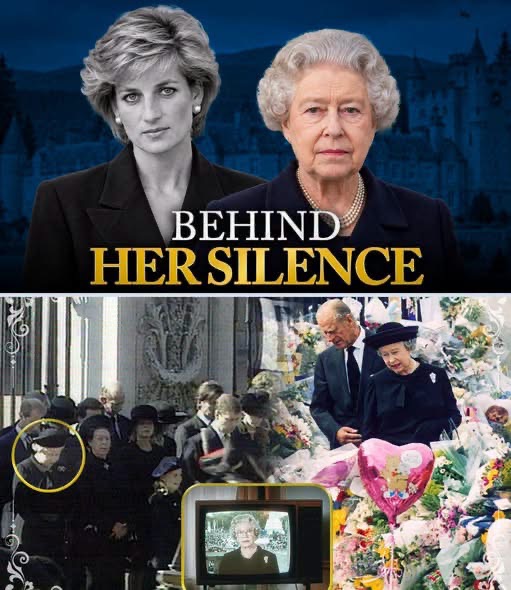
Queen Elizabeth’s Five Days At Balmoral After Diana Di*d Were Far More Painful Than You Think
When Princess Diana died in Paris, Queen Elizabeth II stayed at Balmoral for 5 days. William and Harry were with her. London filled with flowers, and the flagpole over Buckingham Palace stayed empty. Most people remember those 5 days as coldness. A queen who put protocol before grief. But those 5 days were far more painful than that. And much of the pain she chose for herself. Her own advisers pressed her to fly a flag at half-mast. And she refused. She had the newspapers taken out of the house, so the boys would not see what was being written. By Thursday, the front pages were asking where she was. And when she finally spoke, a man in Downing Street later claimed one of her words as his own. The week begins before dawn on that Sunday. In the boys’ bedrooms at Balmoral.
At the end of August 1997, the Queen was where she was every late summer. At Balmoral, the castle her great-great-grandmother had bought in the Scottish Highlands. She was 71. Prince Philip was with her, and so was her mother at Birkhall, a few miles away on the same estate. The Prince of Wales was there with his two sons. William was 15, Harry was 12, and in 2 weeks he would be 13. Their summer holiday was nearly over. That Sunday they had been due to go back south. Their mother was in Paris with Dodi Fayed. Shortly after midnight Paris time, the car carrying them crashed in the tunnel under the Pont de l’Alma. In Scotland, it was still Saturday night.
At about 1:00 in the morning, a telephone rang in Crathie One Lodge, a house on the estate where the Queen’s Deputy Private Secretary was asleep. His name was Robin Janvrin. The call came from the British Embassy in Paris. Janvrin dressed and went straight up to the castle. The Prince of Wales was woken and told there had been an accident. For the next few hours, the plan was that he would fly to Paris to see her in hospital. Then a second call came. At 4:00 in the morning, French time, the doctors at the Pitié-Salpêtrière Hospital had declared Diana dead. She was 36. At 9 minutes past 5:00, Buckingham Palace issued a statement of exactly two lines.
“The Queen and the Prince of Wales were deeply shocked and distressed by this terrible news.”
In County Durham, the Prime Minister had been awake since just before 2:00. Tony Blair had been in office for 4 months. Before dawn, he had drafted his own statement on the telephone with his press secretary, Alastair Campbell. At half past 9:00, he spoke to the Queen and to the Prince of Wales. A little later, outside the church in Trimdon in his constituency, he called Diana the People’s Princess. Years afterwards, in his memoirs, he admitted the phrase now sounds corny. That morning, it went around the world.
When Princess Diana died in Paris, Queen Elizabeth II stayed at Balmoral for 5 days. William and Harry were with her. London filled with flowers, and the flagpole over Buckingham Palace stayed empty. Most people remember those 5 days as coldness. A queen who put protocol before grief. But those 5 days were far more painful than that. And much of the pain she chose for herself. Her own advisers pressed her to fly a flag at half-mast. And she refused. She had the newspapers taken out of the house, so the boys would not see what was being written. By Thursday, the front pages were asking where she was. And when she finally spoke, a man in Downing Street later claimed one of her words as his own. The week begins before dawn on that Sunday. In the boys’ bedrooms at Balmoral.
At the end of August 1997, the Queen was where she was every late summer. At Balmoral, the castle her great-great-grandmother had bought in the Scottish Highlands. She was 71. Prince Philip was with her, and so was her mother at Birkhall, a few miles away on the same estate. The Prince of Wales was there with his two sons. William was 15, Harry was 12, and in 2 weeks he would be 13. Their summer holiday was nearly over. That Sunday they had been due to go back south. Their mother was in Paris with Dodi Fayed. Shortly after midnight Paris time, the car carrying them crashed in the tunnel under the Pont de l’Alma. In Scotland, it was still Saturday night.
At about 1:00 in the morning, a telephone rang in Crathie One Lodge, a house on the estate where the Queen’s Deputy Private Secretary was asleep. His name was Robin Janvrin. The call came from the British Embassy in Paris. Janvrin dressed and went straight up to the castle. The Prince of Wales was woken and told there had been an accident. For the next few hours, the plan was that he would fly to Paris to see her in hospital. Then a second call came. At 4:00 in the morning, French time, the doctors at the Pitié-Salpêtrière Hospital had declared Diana dead. She was 36. At 9 minutes past 5:00, Buckingham Palace issued a statement of exactly two lines.
“The Queen and the Prince of Wales were deeply shocked and distressed by this terrible news.”

5 MINUTES AGO! The Palace confirms TRAGIC news about Prince Andrew amid the scandalous lawsuit. Camilla screams in despair, while William remains silent with his head bowed. King Charles orders the candles lit: ‘With a heavy heart, we must share this devastating news…'” (For Full Information, Check Link In Comment👇🏻👇🏻)

CAUGHT ON CAMERA IN FRANCE! Ferran Torres and Sydney Sweeney Spark MAJOR BUZZ With Intimate Boat Moments — Their Unexpected Chemistry Has Everyone Talking!

After the Long Wait, Taylor Swift Finally Reveals 7 Never-Before-Seen Photos and 1 Video From Her Star-Studded MSG Wedding to Travis Kelce! Fans Can’t Stop Rewatching the Video ⤵️

Taylor Swift and Travis Kelce Spotted Leaving Beverly Hills Event Together — But Is a Baby on the Way? 👀

11 minutes ago, King Charles made a SAD Announcement! Prince Harry has…. (For Full Information, Check Link In Comment👇🏻👇🏻)

Travis Kelce Gives Fans a Glimpse Into His Family Vacation in St. Barts as Wife Taylor Swift Relaxes Under the Tent While He Shows Off His Unexpected Master-Chef Skills During a Fun-Filled Outdoor Cooking Moment..See the videos and photos

🚨❤️🏈 JUST IN: Taylor Swift and Travis Kelce Arrive HAND IN HAND at the Chiefs vs. Seahawks Game — Selena Gomez and Andrea Swift Join Them, but Taylor’s BOLD Red-and-Black Look and Selena’s Unexpected Style Choice Have Fans ZOOMING IN on Every Detail! 😱🔥

“So disgusting”: Taylor Swift and Travis Kelce beach image sparks heated fan war and viral body image debate across social media

Taylor Swift Flaunts Her Wedding Ring Again as She Blows Kisses to Travis Kelce, and Travis Response Is Just Too Sweet! ❤️ The Couple’s Romantic Lumen Field Moment Has NFL Fans Swooning, and They Can’t Stop Replaying the Clip ⤵️

Taylor Swift Turns Up the Heat as She Flaunts Her Toned Bikini Body While Sharing a Passionate Kiss With Shirtless Husband Travis Kelce During a Dreamy Luxury Yacht Escape Ahead of the NFL Biggest Game

“So disgusting”: Taylor Swift and Travis Kelce beach image sparks heated fan war and viral body image debate across social media
