
ROYAL FAMILY
Palace Pressure Mounts as William and Kate’s 2026 Engagement Numbers Fuel Debate

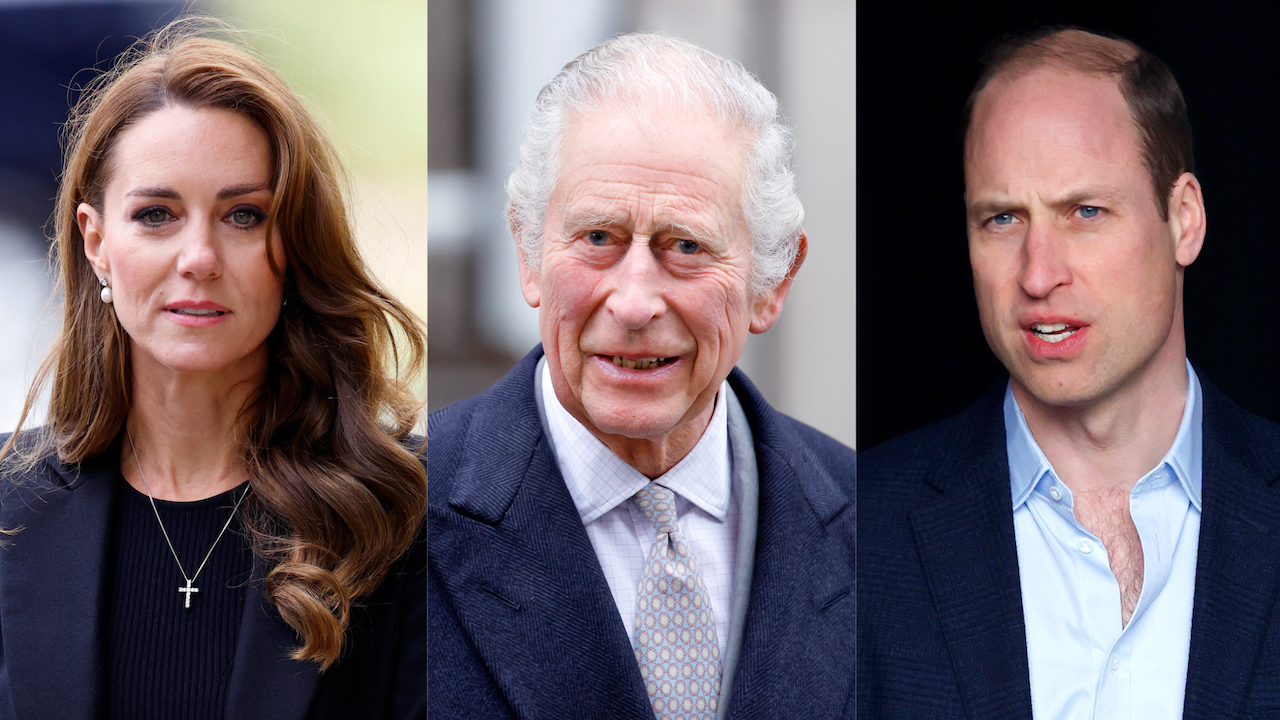
A quiet storm is brewing behind palace doors, and once again, it revolves around the Court Circular.
As the royal calendar advances through 2026, newly scrutinized official figures reveal a widening gulf between generations. Despite managing ongoing health concerns, 77-year-old King Charles and 75-year-old Princess Anne continue to log hundreds of public appearances across the United Kingdom. Meanwhile, Prince William and Kate Middleton—the designated modern faces of the British monarchy—have maintained an output that critics argue falls far short of expectations.
Court Circular records show a staggering disparity. Earlier quarterly figures recorded King Charles completing 86 solo engagements, while Prince William tallied just 22 and Catherine logged 11. Even Queen Camilla and the Duke of Edinburgh have consistently outpaced the Prince and Princess of Wales in standalone appearances. For a couple in their early forties who represent the long-term survival of the Crown, the gap has revived uncomfortable accusations of being “part-time royals”.
Quality vs. Quantity: The Wales PR Strategy
Insiders close to Kensington Palace insist the criticism fundamentally misunderstands William and Kate’s modern operational blueprint. The Waleses have deliberately rejected the rapid-fire ribbon-cutting model championed by Queen Elizabeth II and Princess Anne. Instead, their camp advocates for a “mission-driven,” high-impact approach focused on long-term initiatives like Earthshot and early childhood development.
Furthermore, Catherine’s team has made it clear that her schedule must remain disciplined following her cancer remission, balancing royal duties with raising Prince George, Princess Charlotte, and Prince Louis.
Why the Pressure Is Reaching a Boiling Point
Traditionalists and anti-monarchy watchdogs alike aren’t convinced. With the royal family operating on a “slimmed-down” roster, the institution faces hundreds of patronages and community visits that simply go unattended.
When the heir to the throne—who benefits from the multi-million-pound revenues of the Duchy of Cornwall—undertakes a fraction of the public-facing duties carried out by septuagenarians, public goodwill gets tested. Whether the couple’s curated strategy will modernise the Crown or alienate a British public expecting visibility remains the defining dilemma of King Charles’s reign.

🚨 Ethan Klein & Hila Reportedly Divorcing Amid Cheating Scandal! Shocking allegations are fueling rumors about their marriage. What really happened behind the scenes? 👇 CLICK TO READ THE FULL STORY!

Prince William and Kate Middleton Reportedly Move Away From Royal Secrecy—and His TV Appearances Show How

Will Smith Flies Out of Australia With Ex-Wife Sheree After Filming New Movie

Prince William and Kate Middleton Enjoy a Romantic Yacht Getaway at Cornwall! But Their Unexpectedly Relaxed Beachwear Is Getting Royal Fans Talking!

BOMBSHELL ON JIMMY KIMMEL’S SHOW! Taylor Swift and Travis Kelce Drop a Jaw-Dropping Announcement — But Travis’ Unexpected Words Leave Taylor SMILING LIKE NEVER BEFORE!

The Cold Shoulder: Why Prince William Refuses to Meet Harry Despite His UK Return

Kensington Palace Dragged In: Did William and Kate Know About the Buried 2018 Warning Letter?

Travis Kelce Alleged Outing With Another Woman Sparks Relationship Rumors as Taylor Swift Reportedly Reacts on Social Media

German footballer Loris Karius’s wife, Diletta Leotta, allegedly said that helping him forget match-day stress is her job, adding that the pace at home is even faster than on the pitch! 👀🔥

Just 10 minutes ago! King Charles announced heartbreaking news, leaving the royal family devastated: “Prince Harry has…

75 years old Kris Jenner was spotted at the Miami Beach having a freaky moment with her new 25 year old boyfriend. She looks so happy around him
