
ROYAL FAMILY
Curated Royalty: How Princess Catherine Is Quietly Rewriting Working Royal Expectations For decades

the benchmark of a successful royal career was simple: volume.
Queen Elizabeth II and Princess Anne built their public reputations on relentless endurance, crisscrossing the Commonwealth and cutting hundreds of ribbons a year to ensure the monarchy remained visible across every county.
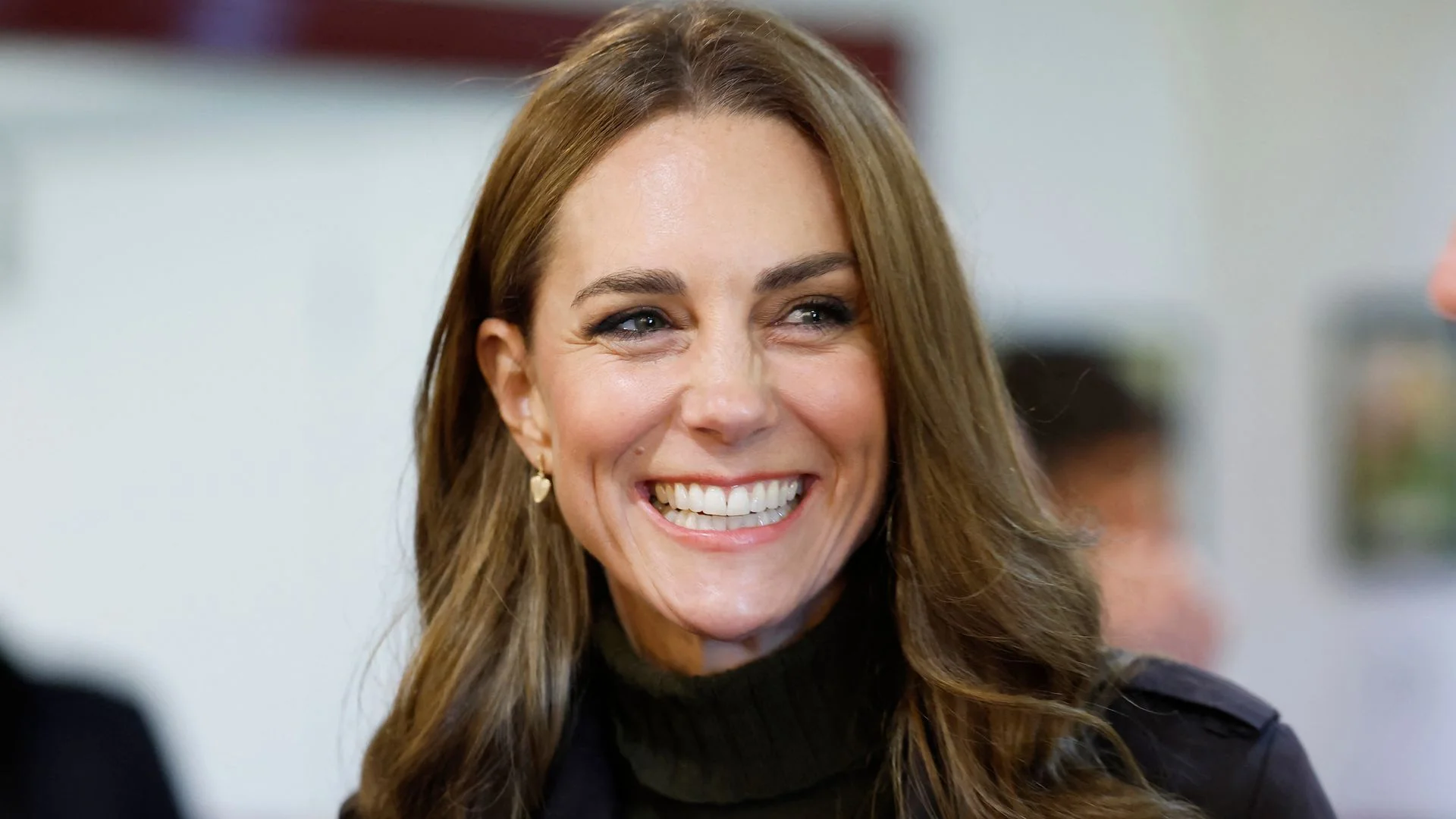
Today, Catherine, Princess of Wales, is quietly executing the most deliberate pivot in modern royal history.
Rather than chasing triple-digit entries in the Court Circular, Catherine has traded the traditional conveyor belt of public engagements for what insiders call “curated impact.”
It is an approach designed to protect her health, preserve her family unit, and modernize the institution—even as traditionalists argue the institution cannot survive on occasional appearances alone.
The New Playbook: Campaigns, Not Photo-Ops
Under the previous model, a working royal might visit a school on Monday, open a medical facility on Tuesday, and attend an agricultural fair by Thursday. Catherine’s diary operates on a fundamentally different cadence.
Her calendar is anchored around sustained, multi-year initiatives rather than one-off appearances:
The Royal Foundation Centre for Early Childhood: Rather than dropping in on playgroups, Catherine directs systemic roundtables, commission-backed research reports, and private meetings with corporate and academic stakeholders.
High-Impact Marquee Moments: When the Princess does step into the spotlight—whether leading the annual Westminster Abbey Carol Service, attending a state banquet, or supporting high-profile cultural and sporting patronages—the imagery dominates global front pages for days, achieving the media saturation that traditionalists used weeks of smaller visits to generate.
Family Boundaries: Following her health recovery, Catherine and Prince William established clear parameters around school terms and family routines, refusing to sacrifice their children’s stability for the sake of public ledger tallies.
The Constitutional Tension: Can Curated Royalty Scale?
While her focus-driven blueprint resonates with younger demographics, it creates operational friction within the palace walls.
The British monarchy’s soft power relies heavily on local presence. When smaller charities, regional civic councils, and legacy patronages lose senior royal visits, public connection can fray. With a slimmed-down core of working royals and older members inevitably pacing down, the burden increasingly shifts to William and Catherine to maintain that presence.
The clash boils down to an unresolved question: Is the British public paying for a ubiquitous, duty-bound presence in every corner of the country, or are they backing high-profile cultural ambassadors who champion targeted philanthropic causes?
Catherine’s calculated bet is that in a digital media ecosystem, one meaningful, heavily covered campaign moves the needle farther than twenty forgotten plaque unveilings.
Whether traditionalists like it or not, the “old pace” is gone—and the future of the Crown is being rebuilt on her terms.

Prince Harry sends ‘painful’ message to Kate Middleton after her emotional plea

Sudden Disappearance: The Real Reason Harry and Meghan Cleared Their Calendar and Left the Country

Epstein Files Reopened: Why Fresh Inquiries Mean Beatrice and Eugenie Can Never Return to the Royal Fold

Curated Royalty: How Princess Catherine Is Quietly Rewriting Working Royal Expectations For decades

Taylor Swift flies three hours just to watch her superstar husband, Travis Kelce, take on the Denver Broncos, and Chiefs fans can’t get enough of her! Every time Taylor shows up to support Travis, fans can’t help but call her the Chiefs’ good-luck charm. Is her presence becoming the team’s secret weapon? Swifties and Chiefs Kingdom certainly seem to think so!

2 HOURS AGO! Emergency Declared at the Palace — Prince William Announces Live: ‘With Deep Sorrow…’ A Royal Has Passed Away”… (For Full Information, Check Link In Comment👇🏻👇🏻)

5 MINUTES AGO: Palace CONFIRMS Tragic News About Kate Middleton Health. Andrew cried out in despair: ‘Oh, we are heartbroken…'” (For Full Information, Check Link In Comment👇🏻👇🏻)

Meghan Markle and Prince Harry Step Out Together in Nottingham, But Meghan’s Surprising Fashion Choice Has Everyone Looking Twice!

Fact Check: The Truth Behind the Latest ‘Leaked’ Taylor Swift Itinerary Taking Over TikTok

Palace Pressure Mounts as William and Kate’s 2026 Engagement Numbers Fuel Debate

Meghan Markle, 45, spotted sharing a passionate kiss with mystery 25 year old woman on a boat following recent tensions with Prince Harry over her father, is she exploring a new side of herself?
