
NEWS
10 MINUTES AGO! First Paramedic Reveals Diana’s De4th Wasn’t from the Crash -Breaking decades of silence, the first doctor at the scene claims a strange, unknown gas was the real cause. Facing Prince William, he uttered words that froze the future king… (For Full Information, Check Link In Comment👇🏻👇🏻)

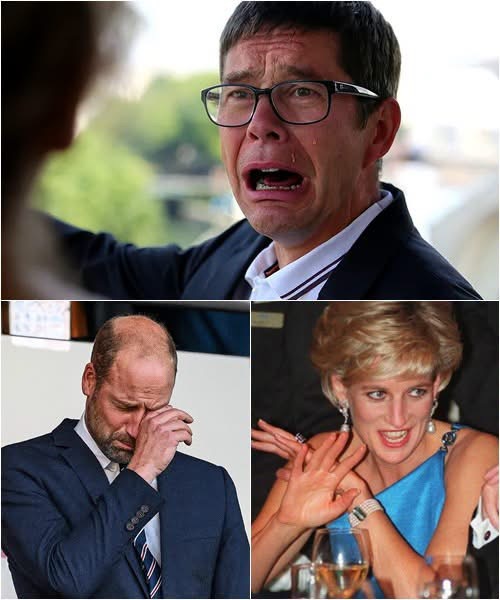
Princess Diana, the Princess of Wales, remains one of the most beloved figures in modern history. Known as the “People’s Princess,” she captured global attention with her compassion, humanitarian work, and unique ability to connect with people from all walks of life. Her untimely death on August 31, 1997, in Paris, France, shocked the world and continues to be the subject of reflection and remembrance nearly three decades later.
This article explores the confirmed details of the tragedy, the official investigations that followed, and how Diana’s life and legacy continue to influence both the British monarchy and global conversations about mental health, charity, and road safety.
The Night of August 31, 1997
On the night of August 30–31, 1997, Princess Diana was traveling in Paris with her companion, Dodi Fayed. Their car, a Mercedes-Benz S280, was driven by Henri Paul, the deputy head of security at the Hôtel Ritz Paris, where Diana and Fayed had been staying. Also in the vehicle was bodyguard Trevor Rees-Jones.
Shortly after midnight, the car entered the Pont de l’Alma tunnel, where it crashed into a pillar. According to official reports, Henri Paul lost control of the vehicle while driving at high speed. Both Paul and Fayed died at the scene, while Diana was critically injured. Despite medical efforts, she was pronounced dead at 4 a.m. at the Pitié-Salpêtrière Hospital in Paris.
Trevor Rees-Jones, the bodyguard, was the sole survivor of the crash.

HUGE: Mike Johnson is stepping aside as House Republican leader, and Jim Jordan has officially launched his bid to become the next House Minority Leader!

30 Minutes Ago! Meghan Markle ‘Turns Pale’ as Camilla Reveals Harry and Archie’s Paternity Test: ‘I Already Know Who His Father Is…’”. (For Full Information, Check Link In Comment👇🏻👇🏻)

🚨 BREAKING: Harry Kane signs record-breaking new Bayern Munich contract. 33yo striker extends from next summer to June 2029 on most lucrative deal in #FCBayern history. Believed to make England captain Europe’s highest-paid player by salary @TheAthleticFC

Jen Affleck Files for Divorce from Husband Zac Just 4 Months After Announcing Pregnancy

Ariana Grande, 33, Sparks Dating Buzz After Reportedly Being Linked to 66-Year-Old Flavio Briatore — Hollywood, What Is Going On?

Taylor Swift Makes Bold Marriage Confession About Travis Kelce as Wedding Betrayal Drama Continues

EXCLUSIVE: King Charles ‘No Longer Cares About Stepping on Politicians’ Toes

SAD NEWS: Princess Anne announces that a royal family member has PASSED AWAY this morning, Harry and Meghan rush back: ‘Oh God, it’s so sad that the person is…’” (For Full Information, Check Link In Comment👇🏻👇🏻)

10 MINUTES AGO! First Paramedic Reveals Diana’s De4th Wasn’t from the Crash -Breaking decades of silence, the first doctor at the scene claims a strange, unknown gas was the real cause. Facing Prince William, he uttered words that froze the future king… (For Full Information, Check Link In Comment👇🏻👇🏻)

Actor John Cusack Calls for Trump’s ‘Impeachment and Removal’ After Democrats Win Control of Congress

‘Buyer’s Remorse’: Donald Trump’s Enemy Stephen King Takes Brutal Swipe at Prez After Democrats’ Midterm Election Victories
